 Get 15€ Off extra discount

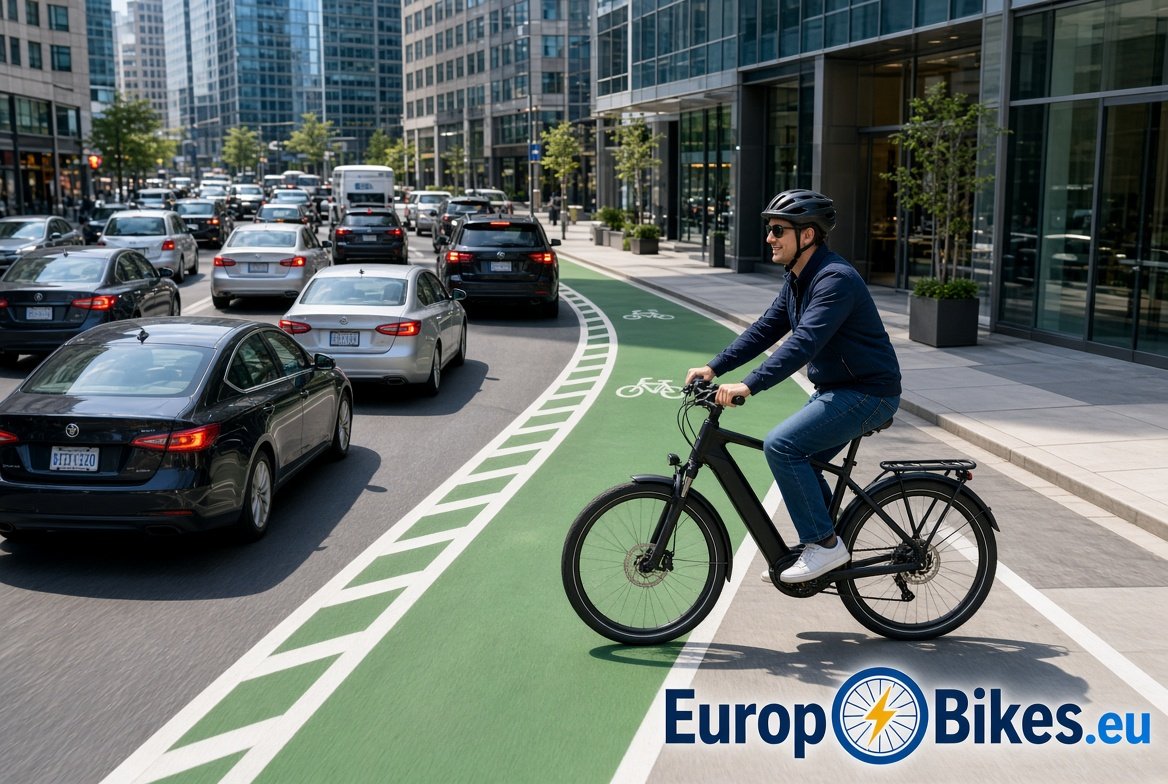

Electric bikes, or e-bikes, have quietly become one of the most practical inventions of modern urban life. They combine the simplicity of a bicycle with just enough electric assistance to make cycling accessible to almost anyone — regardless of age, fitness level, or the hilliness of their neighborhood.
Health benefits that surprise people
Many assume that because the motor does some of the work, e-bikes offer little exercise value. Research says otherwise. Riders still pedal, still engage their legs and core, and still get their heart rate up — just without the exhaustion that stops many people from cycling in the first place. This makes e-bikes an entry point for people who might otherwise never cycle: those recovering from injury, older adults, or anyone intimidated by long commutes or steep hills. The result is more consistent physical activity, which matters more for long-term health than occasional intense workouts.
Environmental impact
Every trip taken by e-bike instead of by car is a small but meaningful reduction in emissions, noise, and traffic congestion. E-bikes use a fraction of the energy a car requires — often less than the equivalent of a few cents’ worth of electricity per charge — and they take up far less space on the road and when parked. Cities that see higher e-bike adoption typically report reduced short-car-trip volume, since e-bikes are especially good at replacing the kind of short, everyday trips (groceries, school runs, commuting) that cars are least efficient at handling.
A tool, not just a toy
Perhaps the biggest shift e-bikes represent is psychological: they turn cycling from a hobby into a genuine transportation option. People stop asking “should I bike today?” as an athletic decision and start treating it as a normal way to get somewhere — which is exactly the shift that makes lasting, city-wide change possible.
Author: EuropeBikes.eu team